
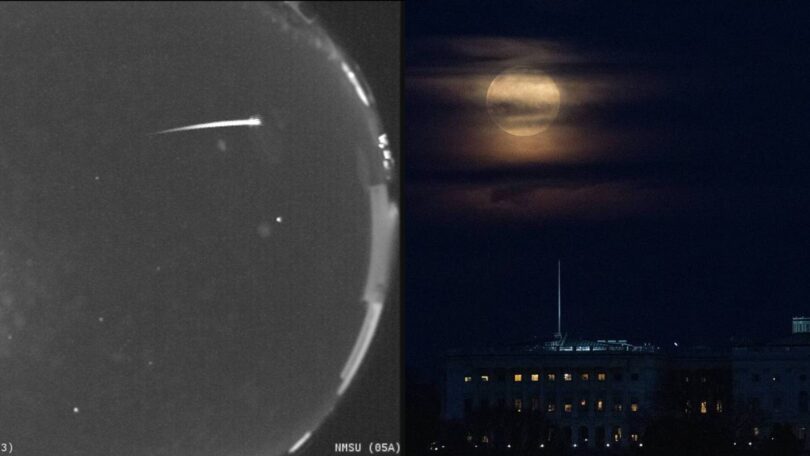

Singapore’s night sky is giving you three reasons to look up this November. Shooting stars, a supermoon and Uranus near its brightest are coming up, with Science Centre Observatory sharing when and how to catch them.
Dates to watch Singapore’s night sky this November
Look for Leonid shooting stars before dawn
The Leonid meteor shower happens when Earth passes through debris left by Comet 55P/Tempel-Tuttle. Those tiny fragments burn up in the atmosphere, producing the streaks we call shooting stars.
Science Centre Observatory recommends watching between 3am and 5.30am around the 17 and 18 November peak. You do not need a telescope or binoculars. Find a darker spot, let your eyes adjust for 20 to 30 minutes, and watch a broad stretch of sky.
Under ideal dark-sky conditions, the shower may produce around 15 meteors an hour. Expect fewer in Singapore because of light pollution and cloud cover. This year’s forecast is for a regular shower, rather than one of the Leonids’ historic meteor storms.
A Beaver supermoon rises on 24 November
November’s full moon is known as the Beaver Moon, a name linked to the time beavers prepare for winter. This year, it also qualifies as a supermoon because the full moon occurs close to the Moon’s nearest point to Earth. It should appear slightly larger than an ordinary full moon.
Look towards the east-northeast as it rises. A clear view of that horizon gives you a chance to catch the moon low in the sky, while the full phase happens later that evening.
The supermoon can be seen with the naked eye. Unlike meteor watching, you do not need a particularly dark location to see the bright Moon clearly.
Uranus is near its brightest on the night of 25 November
Uranus reaches opposition when Earth passes between it and the Sun. Around this point, the planet is near its closest to Earth for the year and stays above the horizon for much of the night.
The NASA sky calendar places the exact opposition early on 26 November in Singapore time. Plan your viewing for the night of 25 November into the following morning, with Uranus highest around midnight.
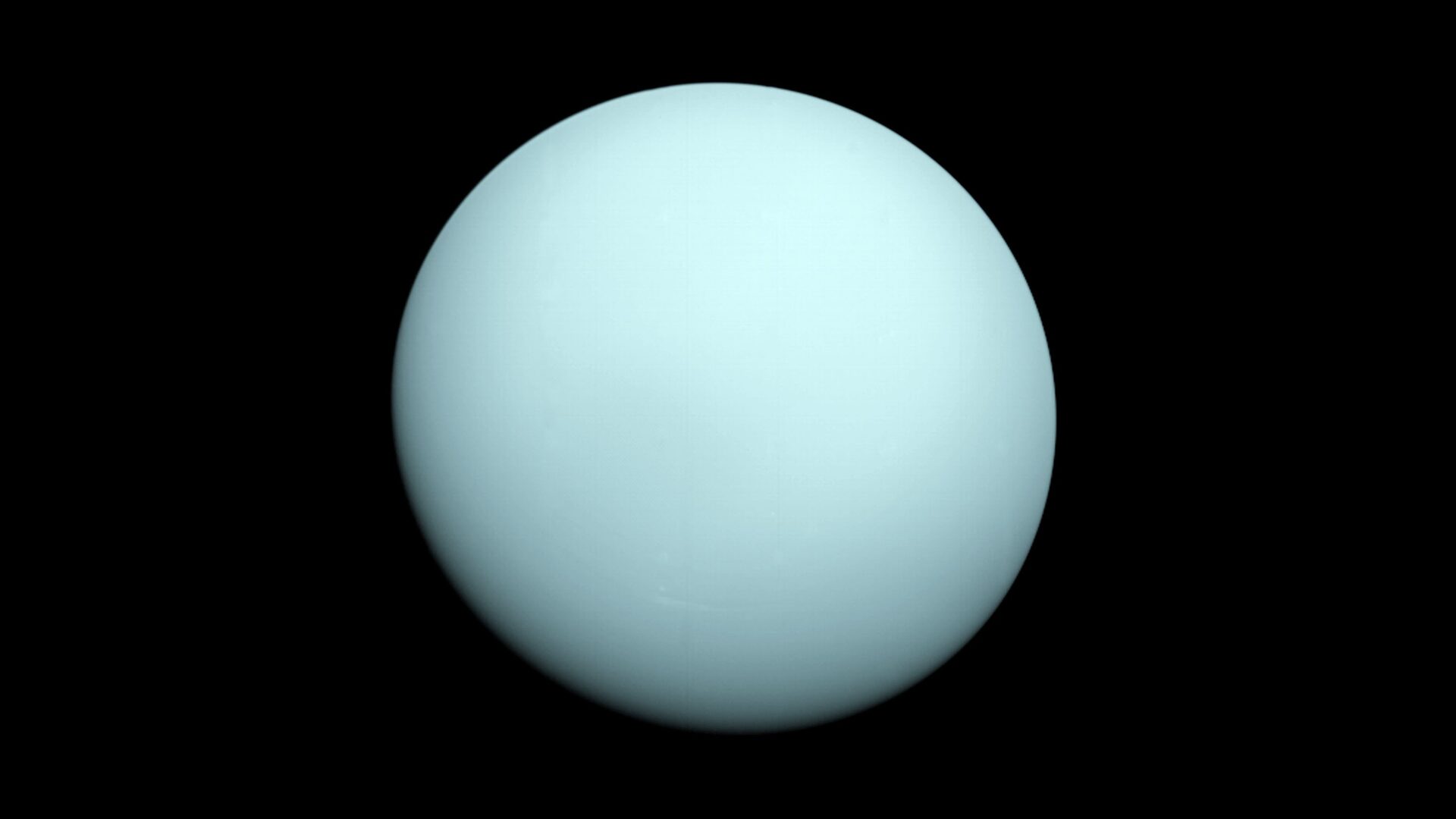
The planet will be near Taurus and the Pleiades star cluster. It is difficult to locate without optical aid, even at opposition. Through a telescope, it appears as a tiny greenish disc, rather than the large globe in Voyager 2’s spacecraft photograph above.
Where to watch Singapore’s November sky events
Science Centre Observatory suggests locations with open views and less artificial light, including East Coast Park, Changi Beach Park, West Coast Park, Marina Barrage and the Southern Ridges. For meteors, choose a spot away from lamps and put your phone away while your eyes adjust.
All three events depend on clear skies. Science Centre Observatory will not be holding dedicated viewing sessions for them.