
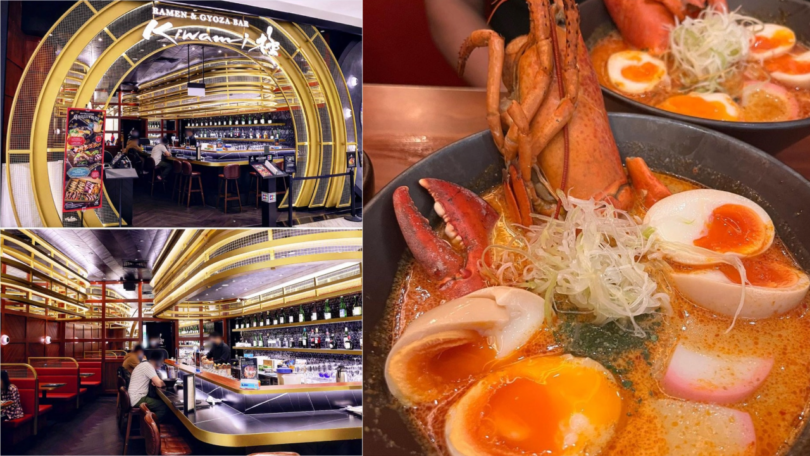

If your idea of happiness involves unlimited ramen, this one sounds like a dream on paper. Kiwami Teppan, Ramen & Gyoza Bar has officially brought its all you can eat ramen buffet to VivoCity, but whether it delivers on that promise depends heavily on how much you can actually eat.
What ramen should you go for
With eight variations available, the appeal is clearly in variety rather than depth. Start with the Premium Tonkotsu Ramen, which is rich, creamy and the most reliable benchmark of what Kiwami does well, built on a broth simmered for over 10 hours using Japanese pork bones and paired with noodles made from Hokkaido wheat.
From there, the Premium Black Tonkotsu adds a deeper garlic aroma, while the Premium Red Tonkotsu brings a mild spicy kick. The Mala Ramen pushes things further, but can feel overly heavy after a few bites, especially in a buffet setting where you are trying to pace yourself.
It is not just ramen — sides and drinks are included
This buffet is not just about noodles. Your S$28.80++ also includes free flow sides, drinks and desserts, which helps justify the price, at least on paper, with more than 25 items available.
In practice, most of the sides lean towards familiar, safe options like gyoza, karaage, tebasaki and age tofu. They do their job, but they are unlikely to be the reason you come back. The Hokkaido potato wedges with mentaiko mayo and truffle edamame add some variety, though they still feel more like supporting acts than highlights.
Drinks like genmai tea and yuzu honey are useful for cutting through the richness, while the ice cream at the end feels more like a reset button than a memorable finish.

How many bowls to break even
At S$28.80++ (around S$34 after GST), the value sounds reasonable until you start doing the math.
A typical bowl of ramen in Singapore costs between S$15 to S$18. With Kiwami serving half portions, you are effectively looking at three to four bowls just to break even, before factoring in sides and drinks.
The issue is that tonkotsu ramen is inherently heavy. Most diners will realistically tap out at two to three bowls, especially if they are also sampling the sides.
So while the numbers suggest value is achievable, the reality is that many diners will fall slightly short of fully justifying the price.
Final take
This is a concept that sounds better than it performs for the average diner.
It works if you come in with a big appetite and treat it as a sampling experience. But the richness of the food naturally limits how far you can go, which makes the “all you can eat” aspect feel more theoretical than practical.
In short, it is a fun idea, but one that relies heavily on your stomach to make the math work.